

The last “wild river in Europe”, never canalized and whose scenic beauty is legendary, the Loire flows into theAtlantic between Saint-Nazaire and Saint-Brévin-les-Pins. At Les Rochelets, your 4-star Paradis campsite, you’ll discover part of the history of this sixty-kilometre-long estuary between Nantes and Saint-Nazaire.
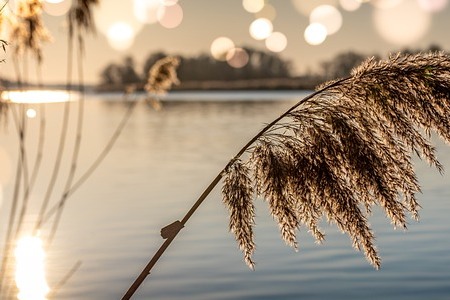
Wonderful natural estuary
Majestic, indomitable, prone to flooding and with sandbanks that make its draught variable, the Loire rises at Mont Gerbier-de-Jonc in Ardèche. On its way to the Atlantic Ocean, the river crosses a wide range of landforms. Gradually, the stream becomes a torrent, a river, an estuary, before merging into the ocean over 1,000 kilometers away.
France’s longest river boasts remarkable biodiversity along its entire length. In particular, the flora and fauna that thrive here provide abundant food for animals of all sizes. Made up of marshes and peat bogs in its lowest reaches, these wetlands are recognized as being of international importance under the Ramsar Convention.
Economic and cultural history of the Loire estuary
Until the 19th century, the Loire was navigable for 700 km from its mouth. It remains the most important communication route for passenger and freight traffic.
Today, boats only sail up the Loire as far as Bouchemaine nearAngers (except during the increasingly frequent summer dry periods). As the cradle of river navigation, the Loire tells thestory of the marine industry. Today, Saint-Nazaire is one ofEurope’s largest shipyards. They perpetuate their world-renowned know-how.
After the last sailing and steam boats, which were also used to transport people, there are still the boatmen in their flat-bottomed craft. Since 2015, a new-generation paddlewheel boat, the MS Loire Princesse, the only one of its kind in the world, has been gliding up the river from Saint-Nazaire to Nantes and Angers. It pays tribute to the history of the Loire…
photo@Franz Bachinger/Pixabay